Laughter fills the air and tunes of different cultures dance in the atmosphere. You too can experience these wonders on a study abroad program while attending Texas A&M University – Kingsville.
Study abroad programs open the door to new possibilities for a college career, especially ones that are designed to offer unique experiences targeting to specific majors.
Master’s graduate student Libey Vega, Communication Sciences and Disorders (Speech-Language Pathology), shared highlights from her previous study abroad program located in Puerto Rico.
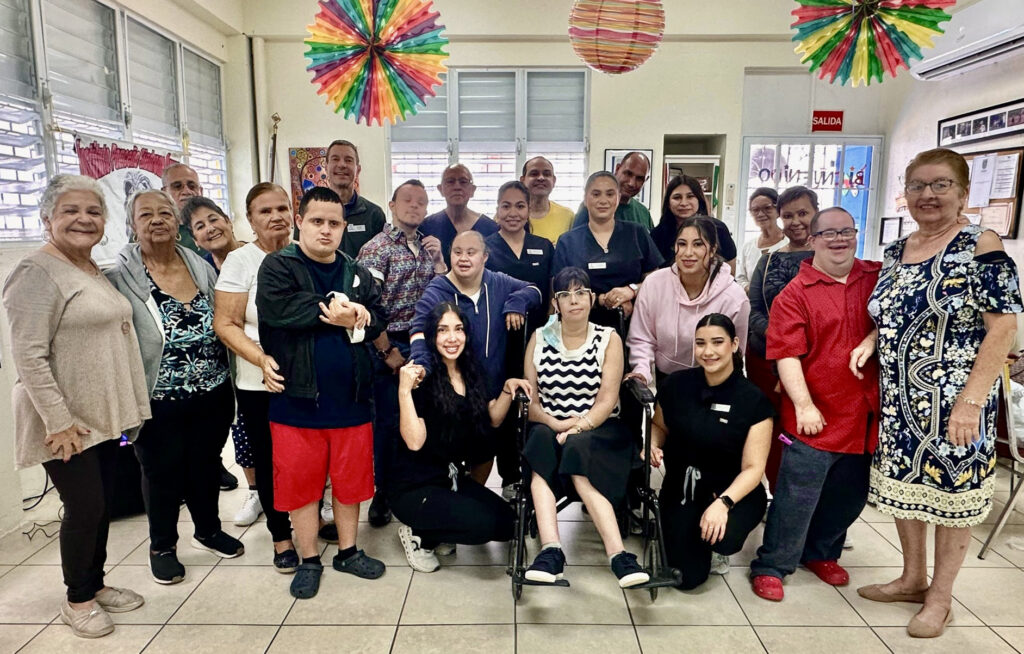
“My study abroad experience in Puerto Rico included both academic and service-learning activities focused on speech and language. We visited the Pontifical Catholic University of Puerto Rico, where we attended presentations from speech language pathologists. We also visited the Instituto Ponceño Síndrome Down as part of our service-learning experience. Being there allowed me to see what care looks like beyond the school setting, especially how individuals are supported in their daily lives and not just in structured environments. It showed me that our role goes far beyond just teaching or providing a service,” Vega said.
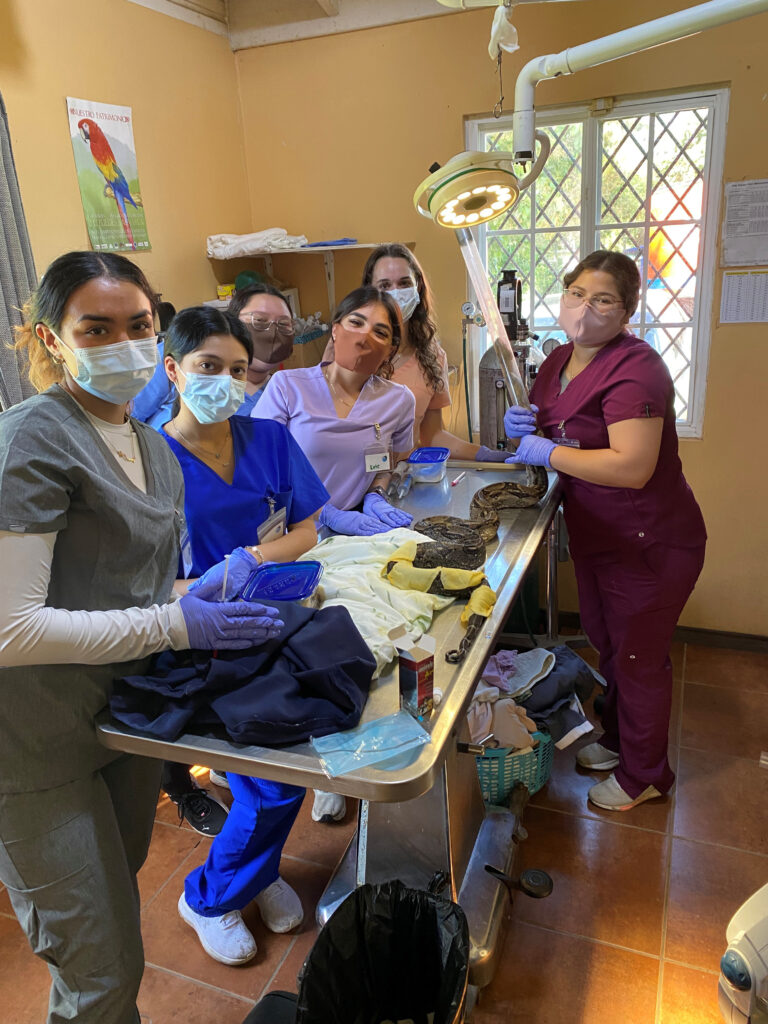
Sophomore student Mallory Soliz, Veterinary Technology, shares the same feelings about their study abroad program in Belize.
“During my program in Belize, I participated in hands-on learning experiences focused on conservation medicine. We learned about the care and protection of wildlife, including macaws, as well as reptile medicine involving animals like iguanas and snakes. This experience gave me a deeper understanding of the importance of preserving wildlife and the role that veterinary care plays in conservation efforts. One of the biggest takeaways I gained from this experience was the importance of teamwork and communication. Working alongside others in an unfamiliar setting taught me how to collaborate effectively, be patient, and remain flexible when things didn’t go as planned. These are skills that I know will translate directly into my future career, especially in situations that require problem-solving and working with diverse groups of people,” Soliz said.
Along with distinctive experiences that aid students in getting a feel for what their future career will be like, they also get to learn about different cultures and linguistic idioms.
“We also had a little bit of ‘playa, sol, y arena’ time, where we were able to experience and learn about different traditions within Puerto Rican culture, including its traditions, culture, faith and religion, and how things like the economy and politics affect people’s daily lives. That really stood out to me because faith is also something that is important in my own life. That experience reinforced the idea of ‘Somos uno,’ and it reminded me that, despite our different backgrounds, we are all connected. One of the biggest takeaways for me was the importance of cultural competence, empathy and patience. I learned that communication goes beyond language. It involves understanding a person’s background, values and lived experiences. That experience reminded me to slow down, really listen, and make sure the people I work with feel seen and understood,” Vega said.
Master’s graduate student Roberto Juarez, Cultural Studies, shares the same sentiment from his program in Puerto Rico.
“I can comfortably say the most important attribute is our ability to communicate with other participants and be able to work as a team to foster a conducive and productive environment. We also have to remind ourselves that we are all from different backgrounds and have different experiences, so we also need to have a certain degree of patience while dealing with multiple personalities,” Juarez said.
Students were accompanied by faculty leaders; each are proficient within the study abroad subject material.
A great extent of work goes into creating study abroad programs from faculty leaders and the Office of Global Engagement. Every trip is planned with safety in mind to ensure a memorable experience.
Lydia Hernandez-Perez, M.S., CCC/SLP, Assistant Professor of Practice, and CSDO Clinic Director explains everything that comes into play when designing a program.
“There is much coordination between the Office of Global Engagement, Pontifical Catholic University of Puerto Rico (PUCPR), Faculty, interested students, and businesses in Puerto Rico that would be accommodating the group during our stay. PUCPR Executive Director of the Institutional Office of International Relations Dr. Joel Velez Colon works diligently with the faculty – Dr. Eric Swartz, myself, and Melissa Alegria from the Office of Global Engagement – to develop study abroad programming that will be appealing and affordable to students. Finally, we want students to explore and experience the unique Puerto Rican landscape, cuisine, music, academics, and kind and generous people that make our study abroad program incredibly memorable,” Hernandez-Perez said.
Swartz, Ph.D., CCC/SLP, Associate Professor and Graduate Coordinator, was the additional faculty leader for the CSDO 5330 Bilingual and Bicultural Issues in Communication Sciences and Disorders study abroad trip, located in Puerto Rico.
“From my perspective, study abroad offers students the opportunity to develop deeper cultural awareness and a broader worldview. These experiences encourage them to step outside their comfort zones, build adaptability and independence, and engage meaningfully with communities different from their own. The Down Syndrome Institute provides an invaluable clinical experience, where students deliver therapy services,” Swartz said.
“Our bilingual students, in particular, have the opportunity to conduct therapy in Spanish. Working directly with clients and families in Puerto Rico helps students expand their understanding of what is possible in their careers as future speech-language pathologists,” Swartz said.
Education isn’t the only main goal of a study abroad program; faculty leaders also want students to enjoy the country they will reside in for the duration of the course.
Director of Veterinary Technology, Christine Hoskinson, was the faculty leader for the Belize study abroad program (VETT 4291).
“The two main goals for the Belize study abroad trip are to expose students interested in veterinary medicine to wildlife conservation medicine and it’s challenges while working with some of the species of concern in their natural habitats and to offer an immersive new cultural experience to increase student’s global awareness and mindfulness. I hope students come back from a study abroad trip knowing more about themselves, having experienced something that encourages them to develop new perceptions and thoughts regarding global issues, making them think about the bigger picture and their place in it. And of course, it should be educational and fun,” Hoskinson said.
There are more opportunities available to students wanting to expand their education.
EDED 4328 Japan Study Abroad – Dr. Monica Ratcliff.
RWSC 3390 Costa Rica Study Abroad – Professor Brian Loflin.
BIOL 4355 Costa Rica Study Abroad – Dr. Katheryn Watson.
If interested in any of the programs listed above, please contact studyabroad@tamuk.edu, Alegria and the Office of Global Engagement located on the third floor of the Jernigan Library.
Puerto Rico Photo Gallery:
Photo Courtesy of Lydia Hernandez-Perez
Belize Photo Gallery:
Photo Courtesy of Christine Hoskinson